

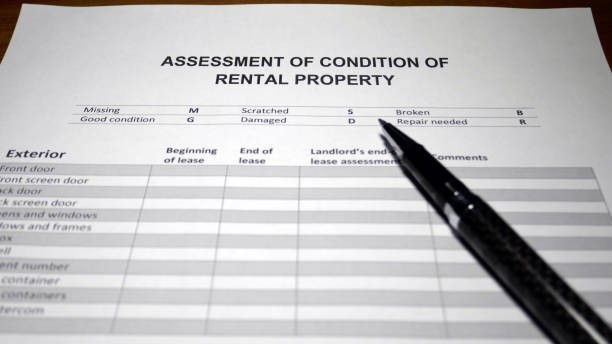
Rental decisions fail when property managers depend on incomplete stories instead of verified facts. One wrong tenant choice can lead to missed rent, legal stress, and long vacancies. A rental history report solves this by turning scattered rental behavior into verified screening intelligence that property teams can trust. It helps managers act faster and with more confidence during approvals, especially when they also need clarity on how to get a rental history report during screening workflows.
Why Modern Screening Breaks Without Verified Rental Data?
Property managers don’t lose money because they screen too fast. They lose money because they screen with incomplete truth.
Most rental applications look fine on paper. But problems hide in gaps like:
• Fake landlord contacts
• Missing rental timelines
• Friends posing as property owners
• Inconsistent payment history claims
So decisions often rely on guesswork instead of proof. That creates risk even before move-in day. A rental history report fixes this by grounding every claim in verification, not assumption.
What A Rental History Report Actually Shows? (Beyond Basic Data)
A strong rental history report is not just a list of past addresses. It builds a behavioral pattern of how a tenant actually lived in previous rentals. It usually validates:
• Lease start and end timelines
• Payment consistency across properties
• Verified landlord identity confirmation
• Communication responsiveness from past landlords
• Rental stability across multiple years
This creates a clear tenant behavior profile instead of fragmented details. Because of this structure, many screening teams directly check rental history report before moving any applicant to final review.
How Rental History Reports Improve Decision Accuracy?
Good screening is not about rejecting more people. It’s about selecting the right tenant faster with less uncertainty. Rental history reports improve accuracy by:
• Removing fake reference risk
• Confirming real tenancy patterns
• Highlighting hidden lease instability
• Reducing dependency on verbal landlord feedback
For example, two tenants may both show “clean credit,” but only one may have consistent rental payments across multiple landlords. That difference matters more than credit scores alone.
So the report becomes a decision filter, not just a background document.
Why Fraud Detection Starts At Rental Verification Level
Rental fraud does not start with financial data. It starts with identity manipulation. Common issues property managers face:
• Fake landlords created using online listings
• Friends pretending to be previous property owners
• Reused rental references across applications
• Unverifiable property addresses
A rental history report detects these patterns early by validating each landlord relationship instead of trusting contact details at face value.
This step alone reduces high-risk leasing mistakes significantly.
How Faster Verification Improves Leasing Speed
Vacancy time directly impacts revenue. Every extra day without a tenant adds loss. Traditional screening slows down because:
• Landlords do not respond quickly
• Verification calls take multiple follow-ups
• Email-based confirmation gets delayed
• Manual checks create bottlenecks
Rental history reports replace this slow loop with structured verification workflows. So instead of waiting days for answers, managers get:
• Pre-verified rental records
• Standardized landlord responses
• Faster screening decisions
• Shorter lease approval cycles
Speed increases without reducing screening depth.
How Rental History Impacts Risk Scoring Models?
Modern property management does not rely on single signals anymore. It relies on combined risk scoring. Rental history data strengthens scoring models by adding:
• Payment reliability consistency
• Lease completion behavior
• Eviction or dispute signals
• Stability across rental transitions
This helps property managers move from: “Does this tenant look okay?”
to “How did this tenant behave over time?” That shift reduces emotional decision-making in leasing.
Why Manual Screening Still Fails Even Today?
Even experienced property managers make errors when screening manually. The biggest weaknesses are:
• Human bias during reference calls
• Incomplete information from landlords
• Inconsistent verification methods
• Time pressure during high vacancy periods
Manual screening depends too much on the availability and honesty of third parties.
A structured rental history report removes this dependency and creates consistent screening output every time.
How Rental History Reports Support Portfolio Stability?
Good tenants don’t just pay rent. They reduce operational stress over time. With better screening data, property managers see:
• Fewer lease breaks
• Lower eviction frequency
• Improved long-term tenant retention
• More predictable cash flow
This improves overall portfolio health instead of just filling units quickly. So rental history data becomes a long-term risk management tool, not just a leasing document.
Why Structured Verification Is Becoming Industry Standard?
The rental industry is shifting from informal checks to structured data systems. This shift is driven by:
• Increasing rental fraud complexity
• Higher competition in housing markets
• Demand for faster leasing cycles
• Need for legally compliant screening processes
Because of this, rental history reports are becoming a core part of modern tenant screening infrastructure, not an optional step.
How To Get A Rental History Report In Modern Systems?
Modern screening systems simplify the entire process into structured steps:
• Tenant submits rental information
• System contacts previous landlords automatically
• Identity and tenancy details get verified
• Structured report gets generated for review
So instead of chasing information manually, property managers receive ready-to-use screening intelligence. This removes operational friction from leasing workflows.
Final Remarks
Rental decisions improve when screening shifts from assumptions to verified behavior data. A rental history report strengthens this process by removing fake references, improving accuracy, and speeding up leasing decisions.
Renter Inc. operates in this exact space, focusing on verified rental history intelligence for property managers and screening platforms.
It helps reduce manual verification work while improving fraud detection accuracy in tenant screening workflows. Its core value lies in turning unreliable rental claims into structured, verified screening data. This supports faster, safer, and more confident leasing decisions across property portfolios. For property managers looking to improve screening accuracy and reduce fraud risk, understanding how to get a rental history report becomes a key step in building a stronger and more reliable leasing process, and we provide structured rental history verification solutions built for modern leasing systems.
Frequently Asked Questions
- What is a rental history report?
A rental history report verifies a tenant’s past rental behavior, landlord identity, and payment consistency across previous housing agreements.
- How does rental history report help property managers?
Rental history reports help property managers reduce fraud, speed screening, and make more accurate tenant approval decisions.
- What data is included in the rental history report?
It includes lease dates, landlord verification, payment history, rental stability, and tenant behavior patterns from previous properties.
- Why do property managers check rental history reports?
They check rental history reports to identify fraud, confirm tenant reliability, and reduce eviction-related risks early.
- How to get a rental history report?
Tenant submits details, verification system contacts landlords, validates information, and generates a structured rental history report.
Improve your Verification of Rent completion rates and strengthen your screening process.
Book a call to learn how Renter, Inc. helps operators get reliable rental history every time.